Home › Concrete Steps and Stoops
Leesburg Concrete Company builds sturdy, attractive concrete steps and stoops for homes across Leesburg, VA. We demolish failing front steps and replace them with properly reinforced concrete stoops that meet rise and run standards. With clean lines, slip resistant finishes, and optional railings, our concrete steps improve safety and curb appeal at your entry.
Leesburg Concrete Company provides professional concrete steps throughout Leesburg, VA, Virginia and the surrounding area. Our licensed, insured crew delivers safe, clean, on-time work with a free estimate before anything begins. Call (571) 601-2614 or request your free quote.
Durable Concrete Steps and Stoops for Leesburg Homes
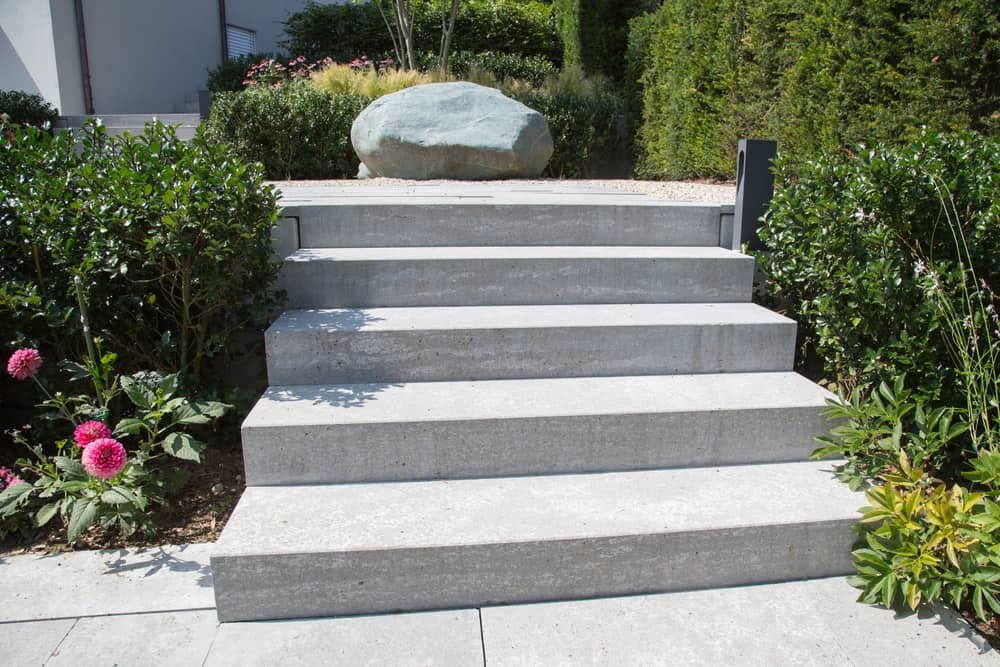
At Leesburg Concrete Company, we build concrete steps and stoops that hold up to real everyday use in Leesburg, VA. Whether you are replacing rotted wood steps, fixing a crumbling front stoop, or adding a new entry to a side or back door, we focus on safe footing, long service life, and a clean look that fits the style of your home.
We work across Leesburg neighborhoods from older downtown homes with tight lot lines to newer communities with HOA guidelines. That local experience matters. Many older steps in town were poured without proper footers or with shallow pads that have shifted over the years. We design each new set of concrete steps and stoops around your actual soil conditions, drainage patterns, and the way you use the entry every day.
Our crew is local, so we plan projects around Northern Virginia weather and county inspection timing. For most step and stoop work, we schedule pours in the milder months of March through early June and September through early November so the concrete cures evenly and we are not fighting extreme heat or freeze-thaw swings.
How We Build Concrete Steps and Stoops, Start to Finish
A solid set of concrete steps starts with a careful site visit. We measure existing door thresholds, walk the grade around your entry, and check how water moves during heavy rains. We then talk with you about step width, the number of risers, railing placement, and whether you want a straight run or a wrap-around stoop.
Once the plan is set, Leesburg Concrete Company handles any needed permits and utility marking in coordination with Loudoun County and Miss Utility. On build day, we demolish the old steps if needed, haul away debris, and dig down to undisturbed soil. For most entries in Leesburg, we install a reinforced concrete footer below the frost line, which reduces heaving when winter freezes hit.
We then set sturdy wood or metal forms to define the steps and stoop. Inside the forms we place steel reinforcement, typically rebar or wire mesh, to control cracking and support the tread edges. We use a concrete mix appropriate for exterior steps, with air entrainment to resist freeze-thaw damage, and we control water content so the finished steps are dense and strong, not brittle or chalky.
During the pour, our crew consolidates the concrete, shapes each riser and tread to consistent dimensions, and builds slope into the treads and stoop surface so water drains away from your front door. After initial set, we finish the surface to your chosen texture, clean up the work area, and set up barriers so the concrete can cure undisturbed.
Design Options for Concrete Steps and Front Stoops
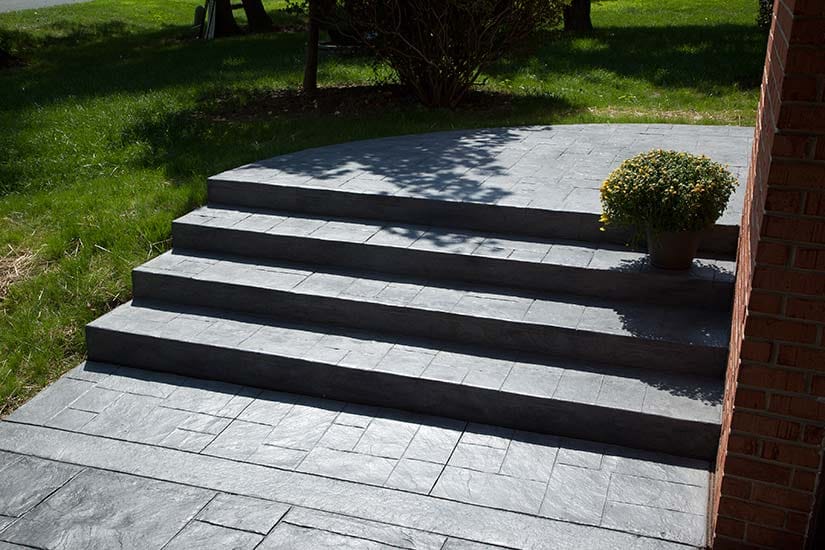
Your front steps and stoop are the part of your concrete you see and touch every day, so we offer design choices that fit Leesburg homes from brick colonials to modern builds. We start by deciding on the basic layout: straight steps, an L-shaped return, or a wider stoop that allows room for chairs or planters.
For the surface, many homeowners choose a broom finish for slip resistance in wet or icy weather, or a light swirl finish for a slightly softer look that still grips shoes. If you want more character, we can add decorative borders, use exposed aggregate (where small stones are revealed at the surface), or pair the concrete steps with brick or stone veneer on the risers or sides.
Color options include integral color mixed into the concrete, or a post-pour stain for subtle earth tones that work well with Leesburg brick and siding colors. We also plan for railings from the start, embedding metal post sleeves in the concrete so a metal or vinyl rail can be securely attached. Where HOA rules apply, we can help you choose profiles, colors, and sizes that meet your association’s standards while still giving you better function and curb appeal.
Local Conditions That Affect Your Concrete Steps
Leesburg’s climate affects how we design and build concrete steps and stoops. Freeze-thaw cycles in winter and rapid temperature swings in spring and fall can cause poorly built steps to crack, spall, or separate from the house. To fight this, Leesburg Concrete Company uses proper expansion joints where the stoop meets the house or adjacent slabs and includes air-entrained concrete that handles winter conditions better.
Our local clay soils can hold water, which increases movement when the ground freezes. To counter this, we dig deep enough for a stable base, add compacted stone underneath, and sometimes use additional reinforcement for wider stoops or longer runs of steps. Around gutters and downspouts we often reshape grading or add drains so water does not pool at the bottom of the steps.
We also pay attention to shade and sun patterns at your entry. Steps that stay shaded in winter can hold ice longer, so for those entrances we recommend aggressive broom finishes, well-placed railings, and sometimes wider treads for safer footing. For sun-exposed stoops, we manage the timing of the pour to avoid rapid surface drying that can cause early hairline cracking.
Common Problems With Existing Steps and How We Fix Them
We see a lot of recurring issues with older concrete steps around Leesburg, and we design repairs or replacements to address the cause, not just the symptoms. One common problem is settlement, where the steps sink or tilt because the original builder poured on loose fill or did not compact the base. In these cases we usually remove the old steps, rebuild the base with compacted stone, and pour a new, reinforced structure on proper footings.
Another frequent issue is surface spalling or flaking from deicing salts and improper mixes. If the damage is shallow and the structure is sound, we can sometimes restore the surface with a bonded overlay and a fresh finish. When cracks run through the full thickness of the steps or the stoop has separated from the house, replacement is typically the safer choice.
We also often correct building-code issues, like risers with inconsistent heights, treads that are too narrow, or missing railings on taller stoops. When we rebuild, we match your local code requirements and, where possible, adjust the layout so the steps feel natural and safe underfoot. If a temporary fix is needed to get through a season safely, we will tell you what can be done now and what should be planned for long term.
What Drives the Cost of New Concrete Steps
Homeowners in Leesburg often ask why two sets of concrete steps can have very different prices. The biggest cost drivers are size and complexity. A small 3 step entry with a modest stoop costs less than a wide, multi-direction set of steps with wrap-around landings. Adding decorative finishes, color, or stone veneer also adds labor and materials.
Access and demolition play a role too. If we need to jackhammer out thick, reinforced concrete or carry debris from a tight backyard where machines cannot reach, labor hours increase. On sloped lots, we may need taller sidewalls, additional reinforcement, and more forming materials to hold concrete in place during the pour.
Soil conditions, drainage improvements, and railing preparation can influence cost as well. When we quote a project, Leesburg Concrete Company breaks down these factors so you understand exactly what is included. We prefer to address hidden risks up front, such as unstable fill or poor drainage, rather than surprise you with change orders after we start.
Planning Your Concrete Steps Project With a Local Team
Good planning makes the project smoother for you and for the crew. Before we schedule your job, we confirm door heights, discuss where you will enter and exit the house during the work, and review any HOA or historic district approvals that might apply. We also explain how weather can adjust the timing of the pour, since we will not pour exterior steps in conditions that would harm the long-term durability.
We walk you through what to expect during each phase: demolition and excavation, forming and reinforcement, pour day, and curing. For at least a few days after the pour, you will need to keep off the new steps. We advise when you can walk on them, when railings can be installed, and when heavy items like planters should be placed.
Because we live and work in Leesburg, we care about how these entries look and function years from now. We end each project by reviewing simple maintenance steps with you, such as when to seal the concrete, how to manage deicers in winter, and what warning signs of movement or cracking to watch for. Leesburg Concrete Company is committed to building concrete steps and stoops that feel like a solid, permanent part of your home, not a temporary patch.